
There is a moment every year when the barn begins to feel different. The evening light turns gold, the flies finally become slightly less determined, and your horse starts growing the first suspicious patches of winter fuzz. Summer may still make a few dramatic return appearances, but fall is clearly on its way.
Here in Colorado, the transition can be especially confusing. A chilly morning can turn into a warm afternoon, followed by a temperature drop that makes you question every decision you made before breakfast. Jesse and Al-Capony may be standing in the same weather, but they do not necessarily need the same feed, grooming, exercise or blanketing plan. That is the most important idea to carry into the season: transition the individual horse, not the calendar.
A smooth move from summer into fall does not require a complete barn overhaul. It is mostly about noticing changes early, making feed adjustments gradually and handling a few practical jobs before cold weather makes them harder.
Start With the Horse in Front of You
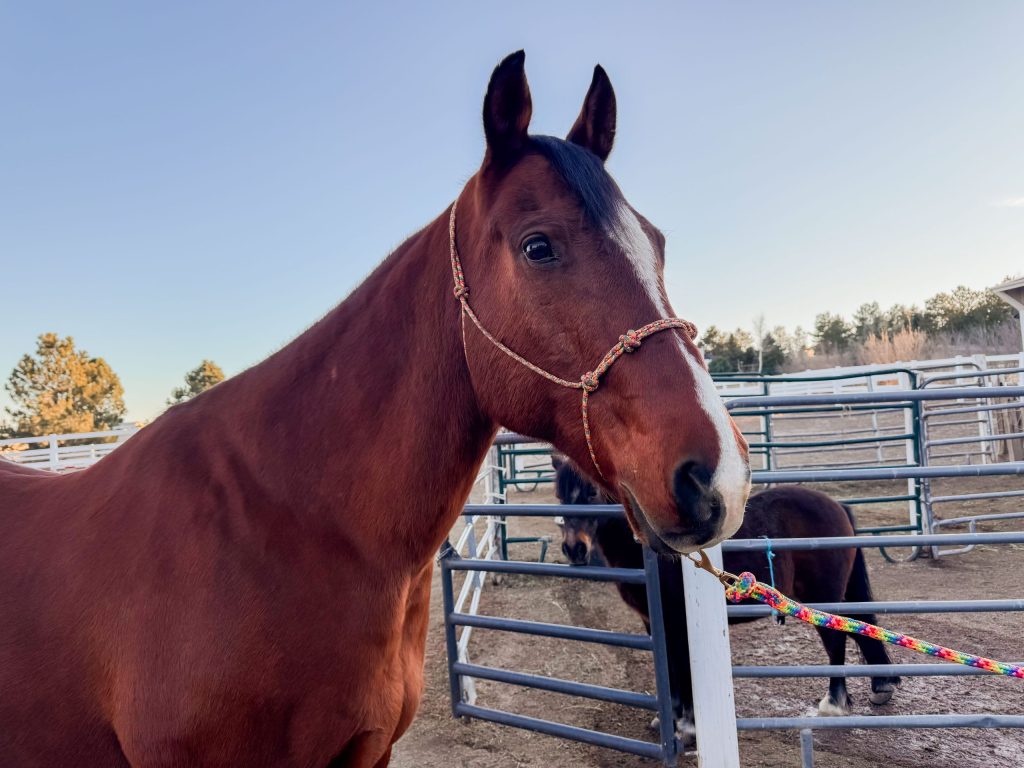
Before changing anything, take a few minutes to establish your horse’s fall baseline. Run your hands over the neck, withers, shoulders, ribs, back and tailhead. A growing coat can hide weight change long before it becomes obvious in a photograph, so touch tells you more than a quick glance from the gate.
Record a body-condition score if you know how to use the Henneke scale, take consistent side and rear photographs, and use the same weight tape or measurement method each time. The goal is not to chase a perfect number; it is to notice a trend. Seniors, hard keepers, horses with dental concerns and horses lower in the herd order may need closer monitoring as pasture quality changes.
| A SIMPLE FALL BASELINE Write down your horse’s body-condition score or weight estimate, resting vital signs, current feed, workload and one clear side photograph. Repeat the same check monthly through winter. |
- Watch the Coat, Skin and Sweat
The winter coat is influenced largely by changing daylight, so some horses begin getting fuzzy while the afternoons are still quite warm. That can turn an ordinary ride into a much sweatier event. Pay attention to how quickly your horse heats up, allow more time to walk and cool down, and make sure the coat is dry before the horse is left in a draft or turned out in falling temperatures.
Fall grooming is more than removing dust. Use your hands to check beneath thickening hair for rain rot, rubs, swelling, ticks, scabs or tender areas. Clean grooming tools and avoid sharing brushes between horses when a skin problem is suspected. If a horse remains damp, develops skin lesions or seems unusually itchy, involve your veterinarian rather than hiding the problem beneath a blanket.
Clipping is a management choice, not a fall requirement. A horse doing regular work may benefit from an appropriate clip, but clipping removes natural insulation and can create a greater need for thoughtful blanketing. Match the clip to the workload, turnout, shelter and the care you can reliably provide.
Transition From Pasture to Hay Gradually
As pasture growth slows or becomes dormant, hay begins carrying more of the nutritional workload. Do not wait until the grass is gone to introduce the hay you plan to feed. Gradual feed changes give the digestive system time to adapt and make it easier to notice whether a particular batch of hay affects appetite, manure or behavior.
Estimate how much forage each horse is actually receiving, not merely how many flakes are thrown. Flake weights vary widely. University of Minnesota Extension notes that most mature horses should receive forage as the foundation of the diet and that feed changes should be gradual. Hay needs still vary with body weight, forage quality, health, workload, metabolism and access to pasture.
Introduce a new hay supply slowly when possible, blending old and new hay during the change.
Inspect hay for mold, dust, weeds, moisture damage and unusual odor before feeding.
Watch the quiet horse at shared feeders; herd dynamics can change when pasture becomes scarce.
Weigh a few typical flakes so your feeding plan is based on pounds rather than appearance.
Fall grass deserves special attention for horses prone to laminitis or metabolic disease. Cool nights and plant stress can contribute to sugar accumulation in pasture. Do not assume brown, short or frosty grass is automatically harmless. Work with your veterinarian or equine nutrition professional on a grazing plan for a susceptible horse.
Protect the Pasture While It Prepares for Winter
Fall is also a transition for the land. Continuing to graze plants too closely can weaken them before dormancy and leave thin areas vulnerable to mud and weeds. Rotate or rest fields according to your local growing conditions, remove horses from saturated ground when possible, and use a sacrifice area or dry lot to protect pasture during vulnerable periods.
Walk the fence line before leaves, snow or early darkness make problems harder to see. Look for loose boards, sagging wire, broken insulators, unstable posts and fallen branches. While you are out there, identify toxic plants and remove storm debris. Fall pasture care is one of those jobs that benefits next spring even though the reward is not immediate.
Do Not Let Cooler Weather Fool You About Water
When the heat eases, it is tempting to stop worrying about hydration. But horses still need constant access to clean, fresh water, and the transition from moisture-rich pasture to dry hay can increase the importance of what they drink. University of Minnesota Extension reports that many 1,000-pound adult horses need at least 10 to 12 gallons daily, with individual needs changing with diet, weather, size, health and work.
Clean troughs and buckets, check automatic waterers, and notice whether each horse is actually drinking. Before the first freeze, test tank heaters and heated buckets, protect cords, and make sure your cold-weather setup works safely. Never assume snow will replace a dependable water source.
| THE SNEAKY SEASONAL RISK Cooler weather plus drier forage can reduce water intake and contribute to impaction concerns. A working water plan belongs on the fall checklist before freezing nights arrive. |
Adjust Riding and Exercise to the Day
Early fall can offer some of the best riding weather of the year, but fitness does not automatically carry over just because the air feels wonderful. Adjust for footing, daylight, temperature swings and the horse’s current condition. A horse with a new fuzzy coat may sweat more than expected, while a horse coming off a lighter summer schedule may need a gradual return to work.
Warm up longer on cold or stiff mornings, cool down until breathing and temperature have normalized, and plan your route around earlier sunsets. Reflective gear and charged lights can improve visibility, but they are not a substitute for enough daylight and safe footing. If fall weather interrupts riding, short groundwork sessions and in-hand walks can help preserve routine without forcing a workout.
Keep Fly Control—But Reassess It
The first cool morning does not mean every insect has packed a tiny suitcase and left town. Flies, mosquitoes, ticks and biting insects can persist into fall, especially during warm spells. Continue the protection your horses need, but reassess it rather than automatically following the summer routine.
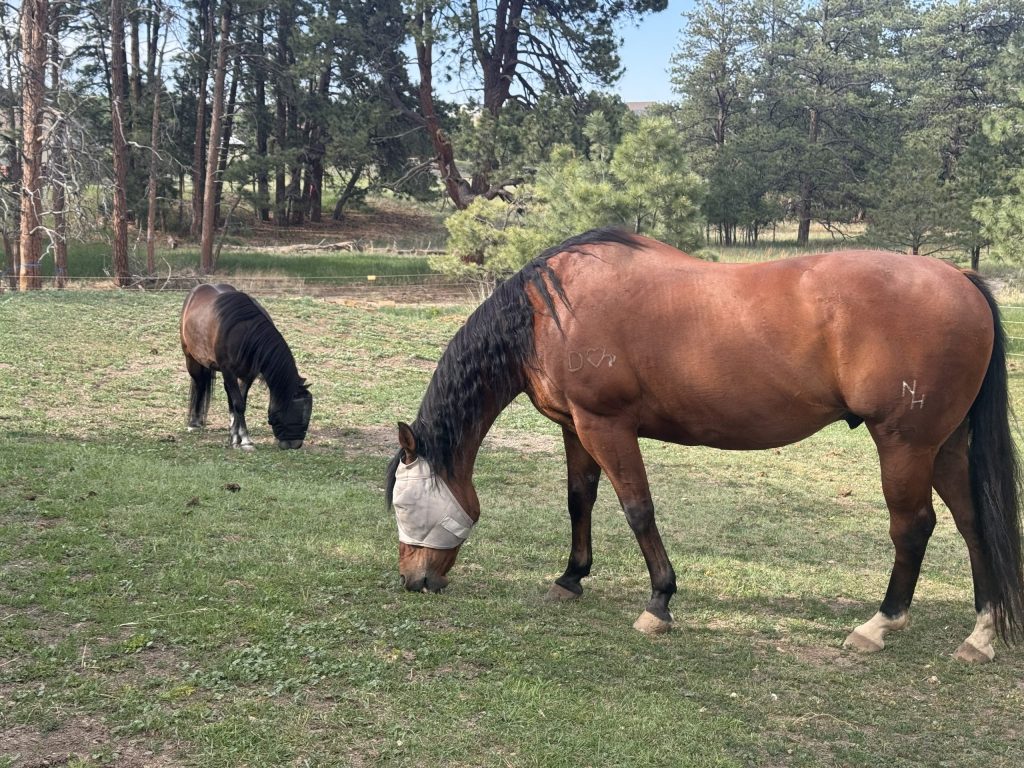
Wash fly sheets before storage and inspect them for rubs or broken closures. Clean masks, boots and grooming tools. Discard expired products appropriately and keep a small amount of fly control accessible for those surprise eighty-degree afternoons. With Jesse and Al-Capony, I have learned that fall is less “fly season is over” and more “the flies have switched to part-time hours.”
Give Hooves and Mud a Head Start
Fall can bring alternating hard ground, rain, mud and early frost. Maintain the farrier schedule rather than stretching appointments simply because riding slows down. Pick feet regularly and watch for thrush, sole tenderness, loose shoes, chips or changes in movement.
Improve drainage around gates, feeders, shelters and water sources before those areas become deep mud. Add footing only when it is appropriate for the site and installed correctly; dumping material into an already muddy area can create a bigger problem. A firm, well-drained place to stand helps protect hooves and makes winter chores safer for people, too.
Review Health Care Before Winter
Fall is a useful time to review your horse’s health plan with the professionals who know the horse. Vaccination timing depends on location, travel, exposure, age and medical history. Parasite control should also be individualized; fecal egg counts can help guide decisions rather than automatically treating every horse on the same calendar.
Ask whether dental care is due, particularly for seniors or horses dropping feed, quidding or taking longer to eat.
Review vaccinations and travel risks with your veterinarian instead of assuming every horse needs the same fall boosters.
Discuss a fecal-testing and parasite-control plan appropriate for your farm and horses.
Refill prescribed medications and confirm how they should be stored as temperatures fall.
Know your veterinarian’s emergency number and keep it visible for anyone caring for the horses.
Make Blanket Decisions Without Calendar Panic
Blanketing is one of fall’s favorite arguments, mostly because there is no single temperature chart that accounts for every horse. Consider the individual horse’s coat, body condition, age, health, acclimation, shelter, precipitation, wind, clipping and workload. A healthy, acclimated horse with a full coat and good shelter may need something very different from a clipped senior in cold rain.
If you blanket, confirm fit before the first truly cold night. Check shoulders, withers, chest closures, leg straps and tail cords. Remove blankets regularly to inspect body condition and skin, and avoid piling insulation onto a horse who is warm enough to sweat beneath it. Clean, dry and repair blankets now, then label them by horse and weight so the 5 a.m. decision is easier.
Prepare the Barn Before the First Freeze
The best time to discover a leaking hydrant or a frayed heater cord is not during the first snowstorm. Use comfortable fall weather to test the systems you will depend on later.
Inspect shelters, roofs, gutters, doors, latches and ventilation.
Test heated water equipment safely and protect every cord from horses and moisture.
Store hay off the ground in a dry, well-ventilated area away from ignition sources.
Check flashlights, headlamps, batteries, extension cords and emergency supplies.
Move frequently used tools where they will remain accessible after snow or freezing rain.
Restock salt, wound-care basics, hoof supplies and the everyday items that always run out during bad weather.
A Simple Two-Weekend Transition Plan
Weekend One: Focus on the Horses
Record body condition and weight estimates, take photographs, clean grooming tools, inspect skin and hooves, review the feed plan, weigh hay flakes and schedule any veterinary, dental or farrier care that is due.
Weekend Two: Focus on the Property
Walk fences, rest vulnerable pasture, check drainage, inspect shelters, clean and test water equipment, organize blankets, inventory hay and supplies, and place emergency numbers where every caregiver can find them.
| KEEP IT MANAGEABLE You do not need to winterize the entire farm in one exhausting day. A few deliberate fall jobs each week will put you far ahead of the first hard freeze. |
The Best Part of the Transition
Preparing for fall is practical, but it is also an invitation to enjoy the barn again after the hardest heat of summer. The air is cooler. The light is softer. The horses are fuzzy enough to be adorable but not yet fuzzy enough to require archaeological excavation with a curry comb.
Take the quiet trail ride. Photograph the first whiskers. Sit near the paddock while Jesse and Al-Capony eat hay and pretend they have not been fed in several years. These little seasonal moments are part of horse ownership, too.
The goal is not to predict every temperature swing or complete a perfect checklist. It is to notice what is changing, make adjustments gradually and head toward winter with healthy horses, working equipment and fewer surprises.
| IMPORTANT NOTE This article provides general educational information. Your veterinarian, farrier and equine nutrition professional can help tailor seasonal care to your horse, climate, forage and management system. |
Sources and Further Reading
University of Minnesota Extension: Caring for Your Horse in the Winter
University of Minnesota Extension: Ten Things You Should Know About Feeding the Mature Horse
University of Minnesota Extension: Vaccinating and Deworming Your Horse
Penn State Extension: Sugars in Spring and Fall Pastures
Penn State Extension: Pasture Management by the Seasons
Penn State Extension: When to Blanket a Horse
